
Agricultural Materials
Agricultural Mulch Film
PBAT-Based Mulch Film for Modern Agricultural Applications
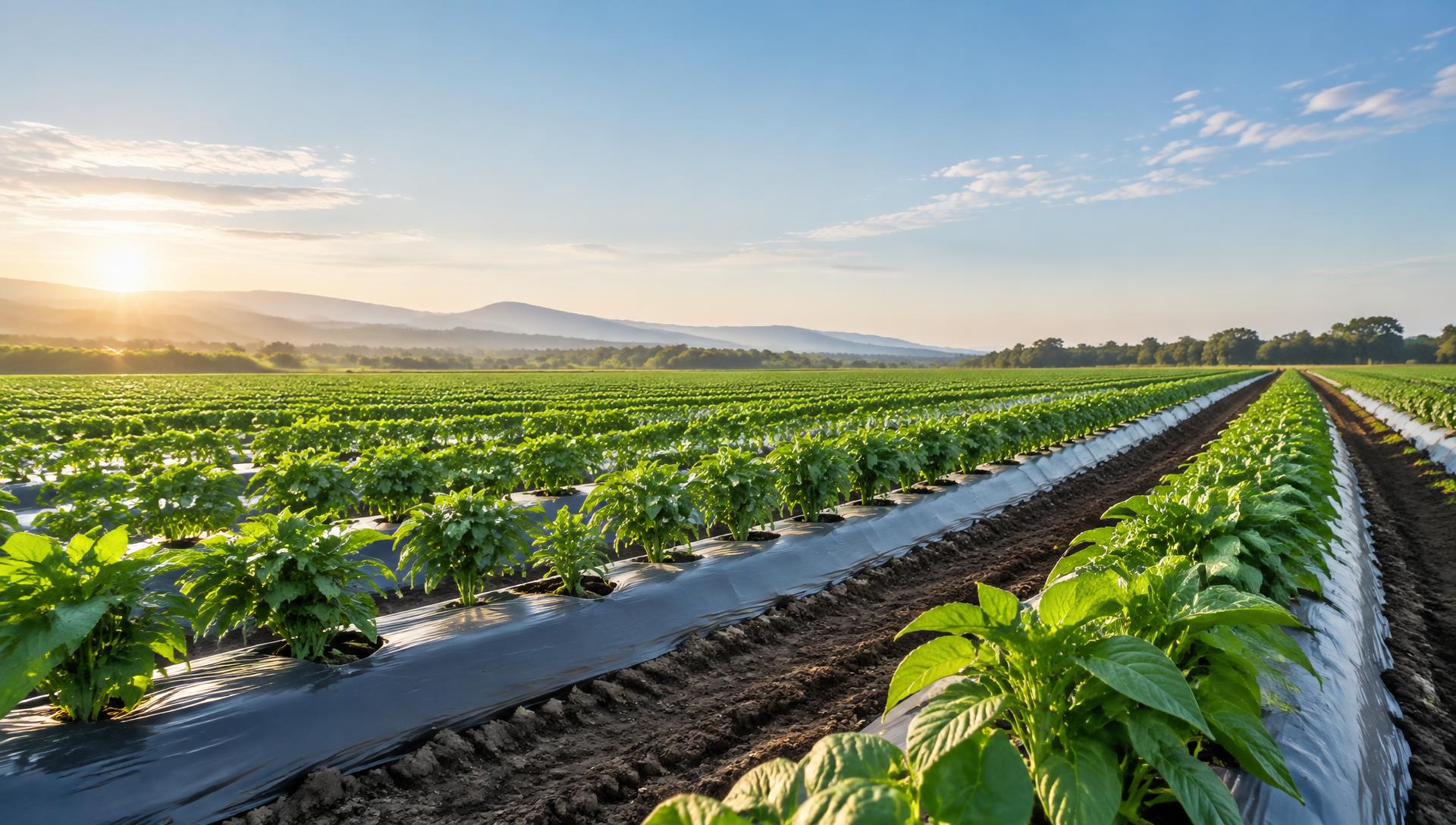
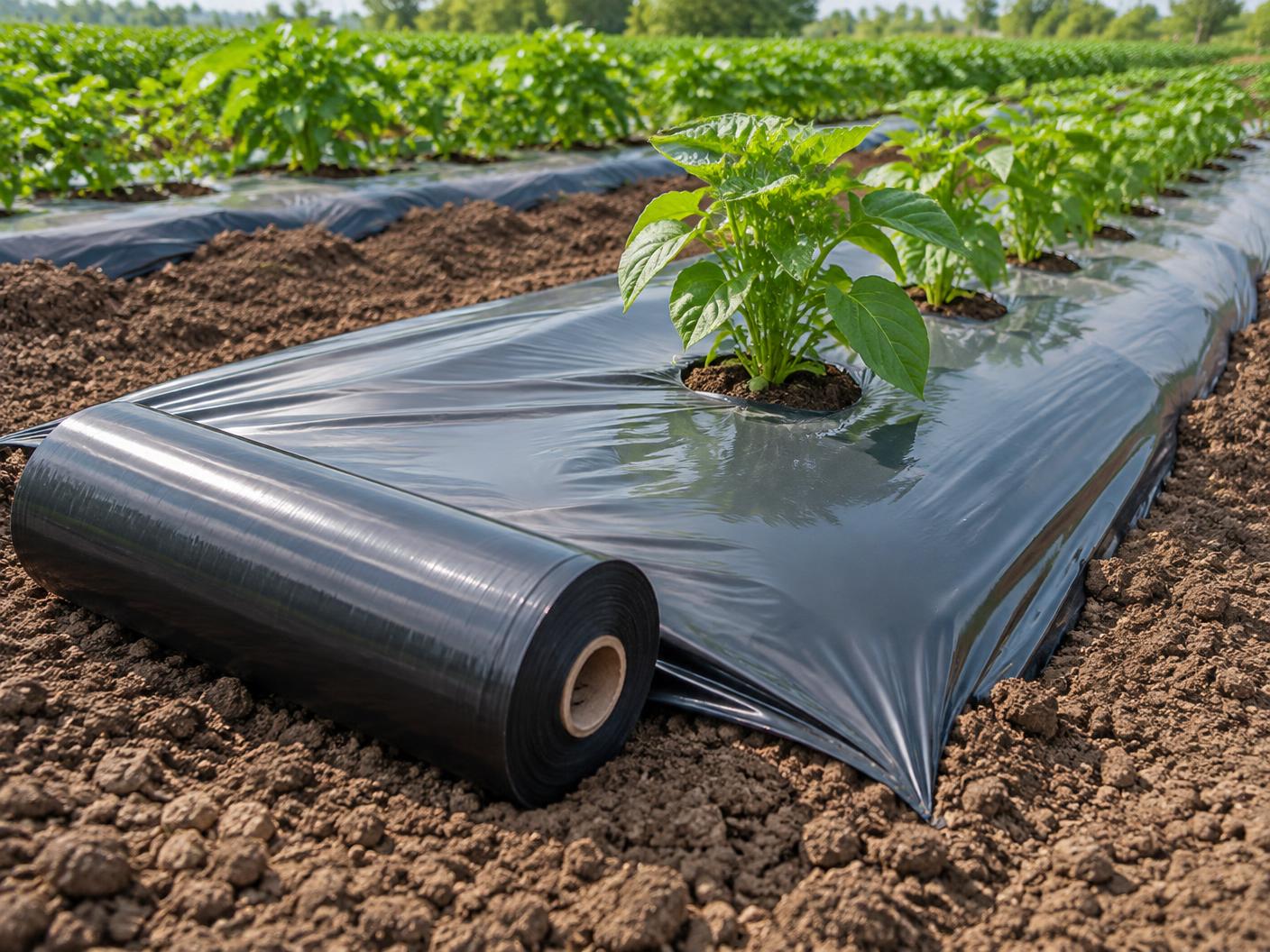
Agricultural mulch film provides a protective layer over the soil surface, helping growers manage moisture, weeds, soil temperature and other crop-production conditions.
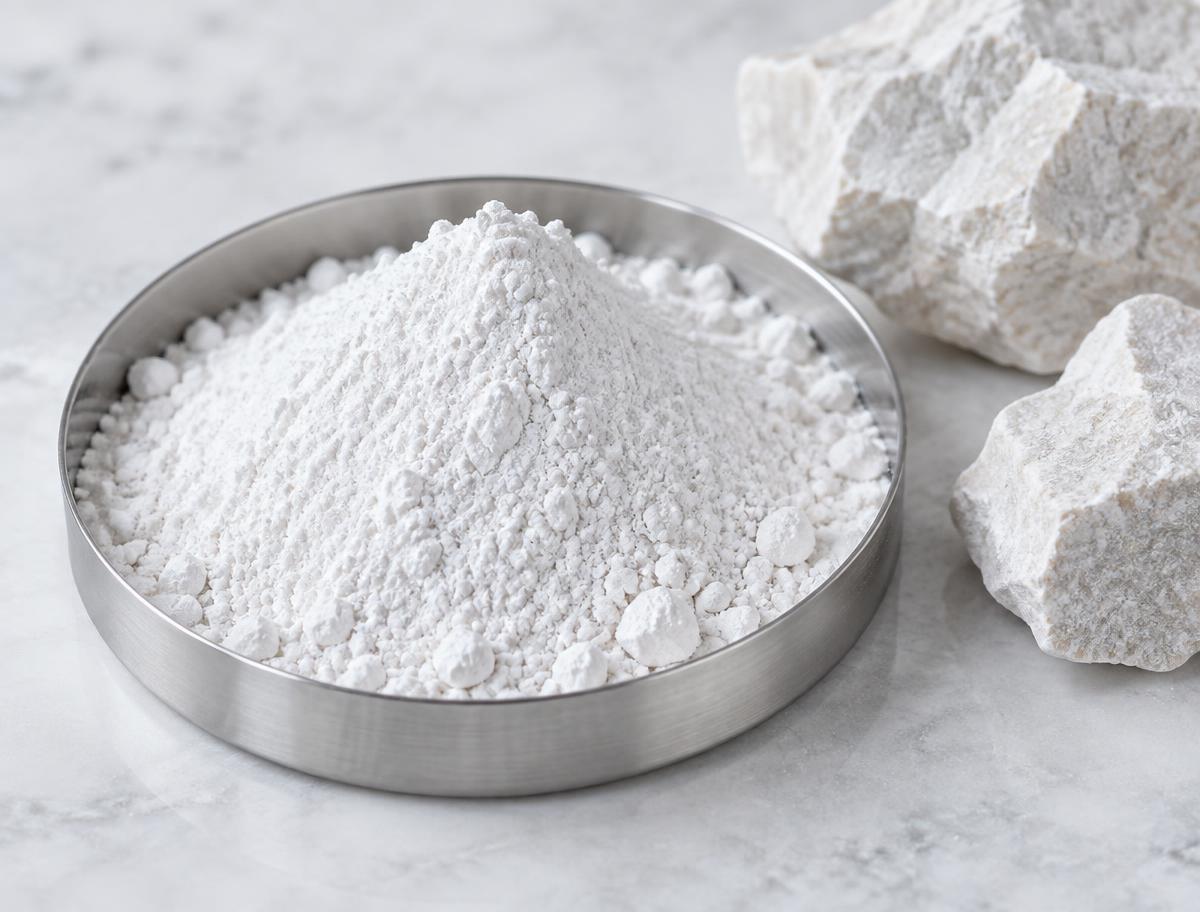
Our Mulch Film is primarily made from PBAT (Polybutylene Adipate Terephthalate) and calcium carbonate (CaCO₃), supplied as limestone powder.
Soil-surface management
Agricultural Mulch Film for Controlled Soil-Surface Management
Agricultural mulch film creates a controlled interface between the soil surface and the surrounding environment. By covering the cultivated bed, mulch film can support moisture management, weed management, soil-temperature regulation and more organized crop-production practices.
The appropriate film specification depends on the crop, field conditions, installation method, required coverage period and mechanical requirements.
Field performance
Key Benefits of Agricultural Mulch Film
More Than Soil Cover — A Tool for Better Crop Management
Biodegradable Material
Made primarily with biodegradable PBAT, the film is designed to support material breakdown under suitable environmental conditions after its intended agricultural use.
Soil Moisture Management
Mulch can reduce direct exposure of the soil surface and help reduce evaporation, supporting soil-moisture management.
Weed Management
Mulch film creates a physical covering over the soil surface and can restrict light available to emerging weeds.
Soil Temperature Management
Mulch film can influence the thermal environment at the soil surface. Film colour, thickness, optical properties and field conditions affect the result.
Controlled Irrigation
When combined with drip irrigation, mulch film can support a more controlled water-delivery arrangement beneath the covered soil.
Soil Surface Protection
Covering the soil provides a physical layer between the cultivated bed and the surrounding environment.
Reduced Soil Contact with Produce
For crops where developing produce is close to the soil surface, mulch can provide separation between produce and bare soil.
Reduced Cultivation Around Plants
Where mulch suppresses weeds, it can reduce the need for repeated cultivation within the covered area.
Material composition
What Is Our Mulch Film Made Of?
Our Mulch Film is primarily made from two components.
Material component
PBAT
1,4-butanediol + adipic acid + terephthalic acid
Polybutylene Adipate Terephthalate
PBAT
PBAT is a biodegradable random copolyester made from 1,4-butanediol, adipic acid and terephthalic acid.
Calcium Carbonate CaCO₃
Calcium carbonate (CaCO₃), supplied as limestone powder, is the second primary component of our Mulch Film.
Technical information
Mulch Film Material Information
Confirmed material information for initial product evaluation.
| Product | Agricultural Mulch Film |
|---|---|
| Primary Component | PBAT |
| Full Name | Polybutylene Adipate Terephthalate |
| Material Description | Biodegradable random copolyester |
| Second Primary Component | Calcium Carbonate |
| Chemical Formula | CaCO₃ |
| Form | Limestone Powder |
Micron guide
Choosing the Right Mulch Film Thickness
Mulch film thickness is normally specified in microns (µm). The appropriate thickness depends on the crop, field conditions, installation method, required coverage period and mechanical requirements.
20 µm
0.020 mm
30 µm
0.030 mm
40 µm
0.040 mm
50 µm
0.050 mm
60 µm
0.060 mm
80 µm
0.080 mm
100 µm
0.100 mm
Thickness should be selected according to the intended application and required field performance. Contact our technical team for product-specific recommendations.
Technical discussion
Request a Mulch Film Enquiry
Tell us about your agricultural film requirement. Our team can review your application and discuss the appropriate film specification.
Specification inputs
What Determines the Right Film Thickness?
Crop Duration
Coverage requirements may vary with the planned production period.
Installation Method
Manual and mechanized laying create different handling demands.
Field Conditions
Soil preparation, exposure and site conditions inform specification selection.
Mechanical Requirements
Handling and field stresses should be considered for the intended use.
Required Coverage Period
The expected period of soil coverage is an important selection input.
Application Conditions
Bed geometry, irrigation layout and operating practices all matter.
Where it is used
Agricultural Applications
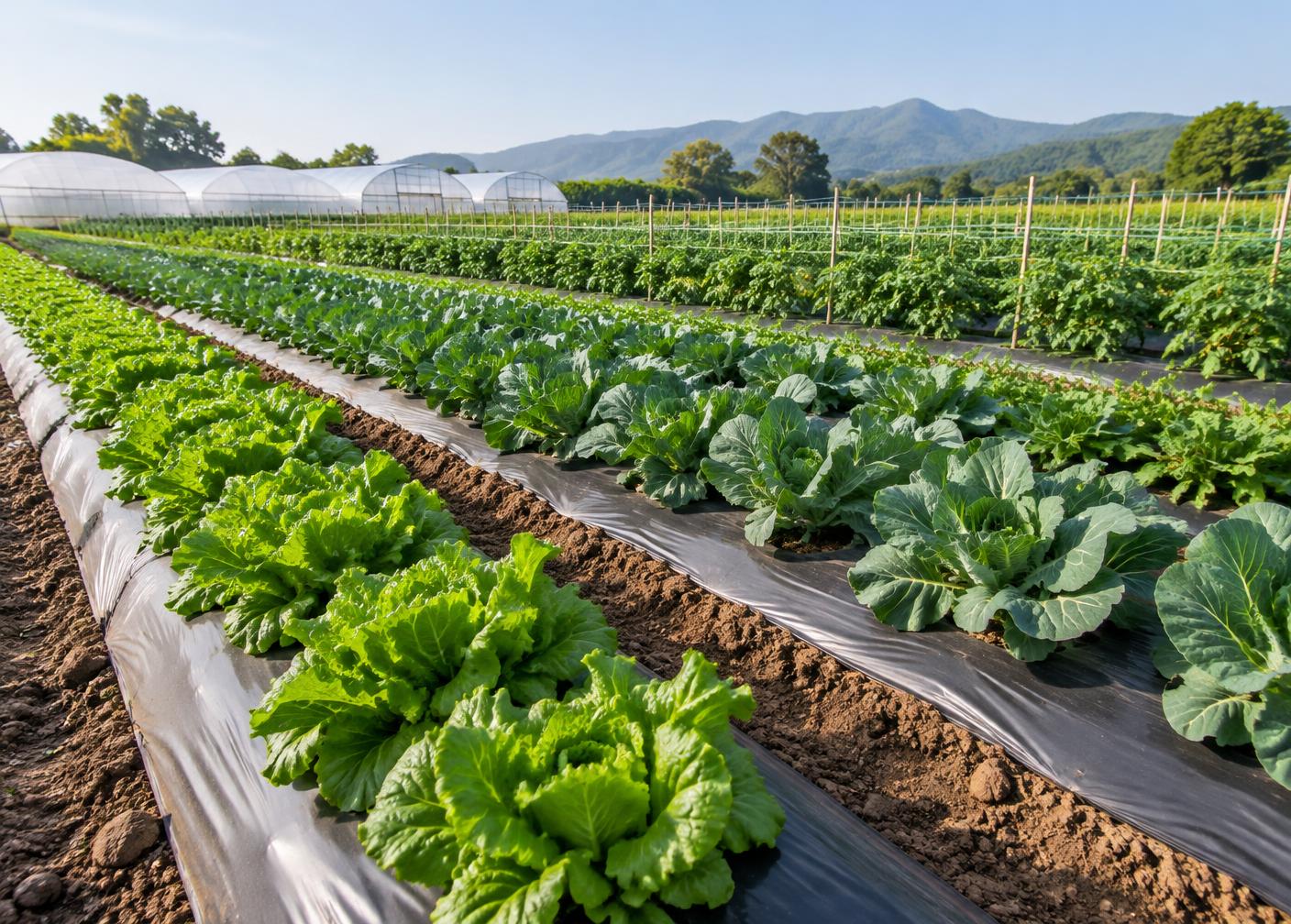
Application suitability should be assessed against the planned production system and required field performance.
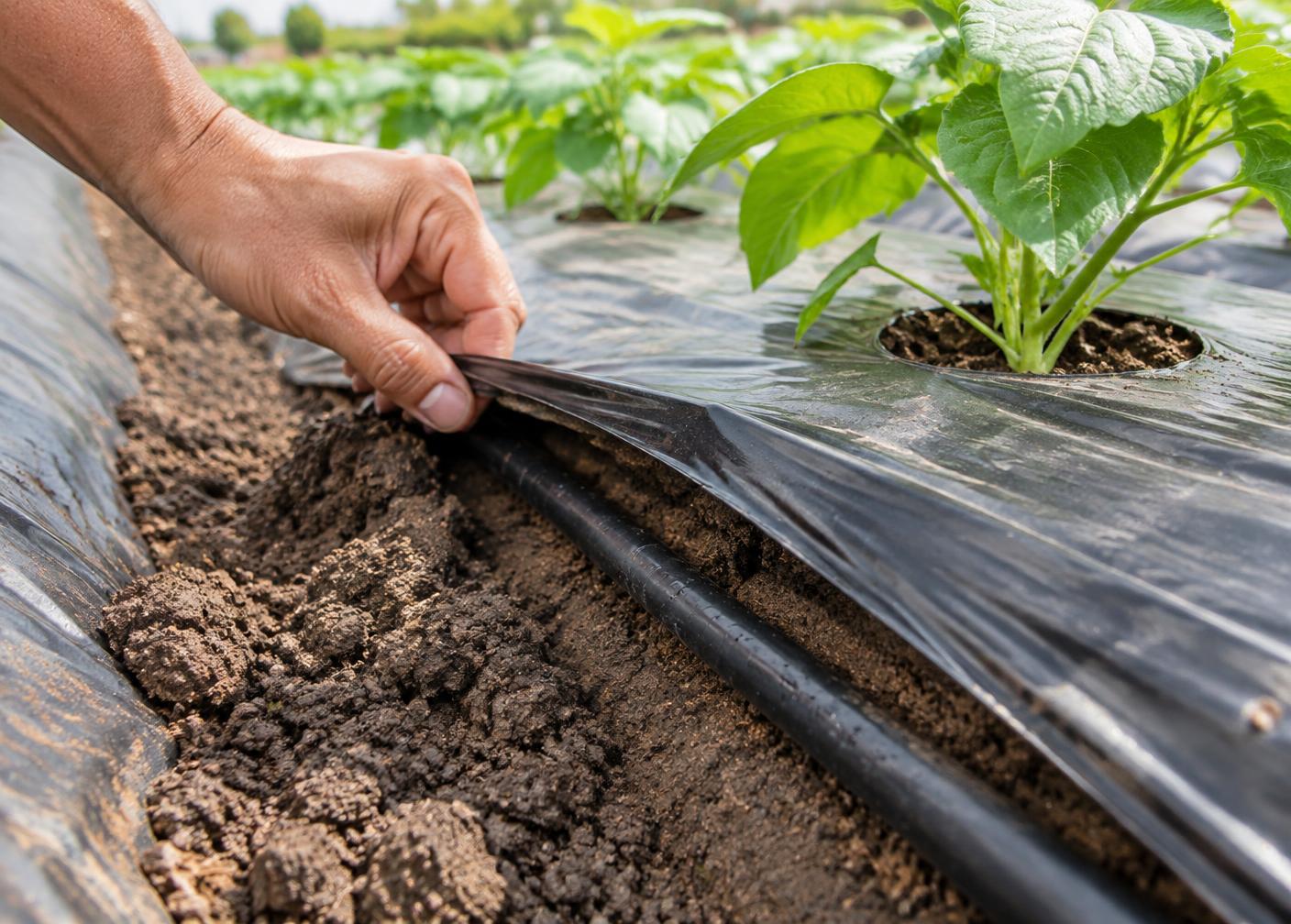
Mulch Film with Drip Irrigation
When the irrigation arrangement is positioned beneath the covered bed, mulch film can support more controlled water delivery around the planned planting layout.
Field installation
How Agricultural Mulch Film Is Applied
Prepare the Soil
Form a consistent, well-prepared planting bed.
Establish Planting Layout
Plan bed dimensions and planting positions.
Position Irrigation
Place the selected irrigation arrangement before covering.
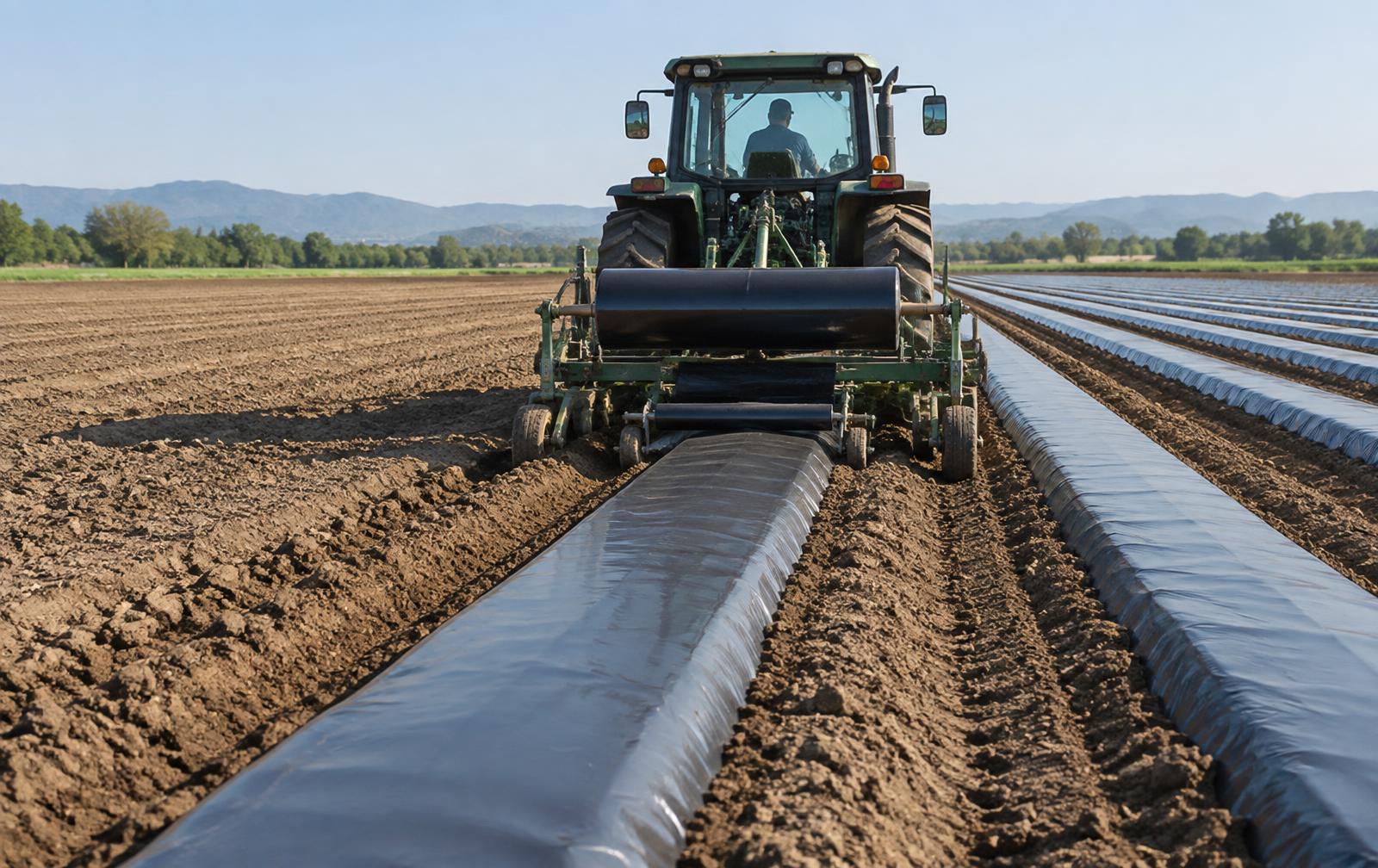
Lay the Film
Apply film evenly over the prepared bed.
Secure the Edges
Anchor the film along the bed edges.
Create Planting Openings
Form openings to match the planned planting pattern.
Plant establishment
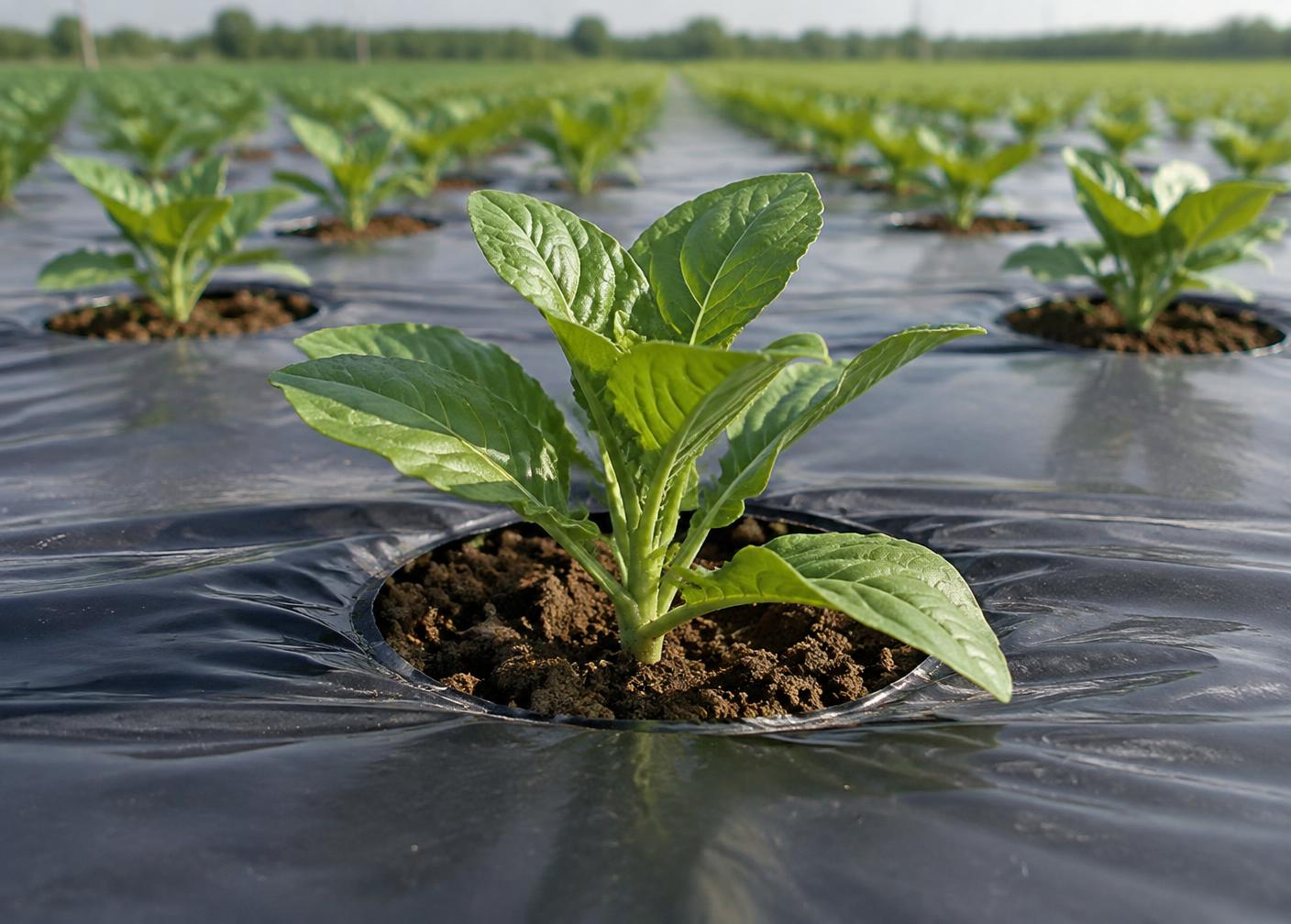
Planting Through Mulch Film
Planting openings determine where the crop emerges through the mulch film. Consistent spacing helps maintain an organized planting pattern and supports subsequent irrigation and crop-management operations.
Selection guide
Selecting the Right Mulch Film
Move from field context to a clearly defined film requirement.
Technical answers
Frequently Asked Questions
What is agricultural mulch film?
Agricultural mulch film is a covering laid over cultivated soil beds. It creates a managed interface between the soil surface and its surrounding environment.
What is biodegradable mulch film?
Biodegradable mulch film is designed using biodegradable polymer materials. Actual field behaviour is application-dependent and should be assessed against the intended use and local conditions.
What is PBAT mulch film?
PBAT mulch film uses polybutylene adipate terephthalate, a biodegradable random copolyester, as a primary material component.
What thickness of mulch film should I choose?
Selection depends on crop duration, field conditions, installation method, required coverage period and mechanical requirements. A product-specific review is recommended.
What does 50 micron mulch film mean?
A thickness of 50 microns means the nominal film thickness is 50 micrometres, equal to 0.050 millimetres.
Is thicker mulch film always better?
No. Thickness should match the intended application and required field performance rather than being selected on thickness alone.
Can mulch film be used with drip irrigation?
Mulch film can be used with drip irrigation, with the irrigation line typically positioned as part of the prepared bed arrangement before the film is laid.
What is your Mulch Film made from?
Our Mulch Film is primarily made from PBAT (polybutylene adipate terephthalate) and calcium carbonate (CaCO₃), supplied as limestone powder.
Application review
Looking for the Right Agricultural Mulch Film?
Film thickness and specifications should be selected according to the intended agricultural application and required field performance. Contact us to discuss your application and film requirements.
For a general business conversation, visit our contact page.
Request a Mulch Film Enquiry
Tell us about your agricultural film requirement. Our team can review your application and discuss the appropriate film specification.